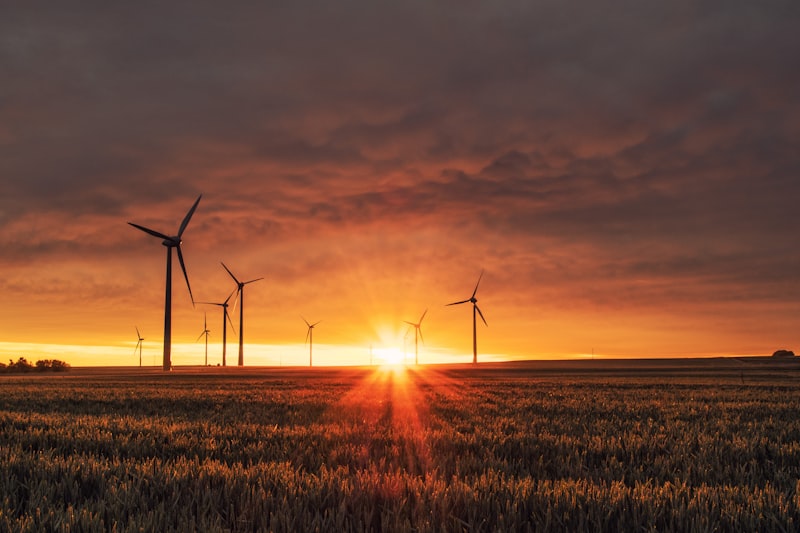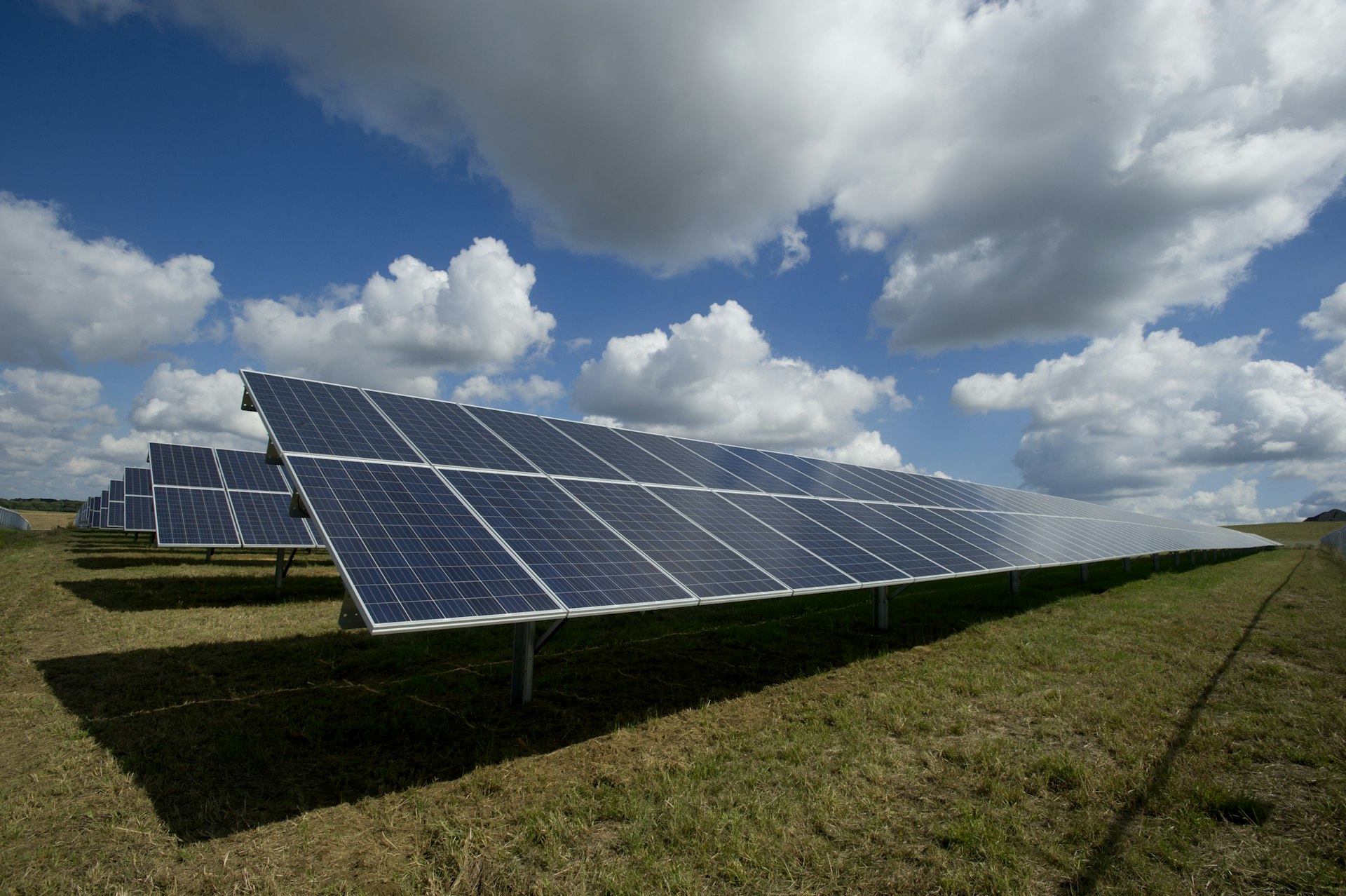
The world is changing, resources are shrinking, and our decisions shape the environment that future generations will inherit. Spain, with a privileged climate and a long rural tradition, holds a leading position in the development of a more sustainable model. This educational report, updated to 2026, summarises three pillars: global warming, the role of green energy, and the future of agriculture. Our aim is to inform clearly and calmly, without alarmism or promises, supporting the development of an aware citizenship.
Global warming
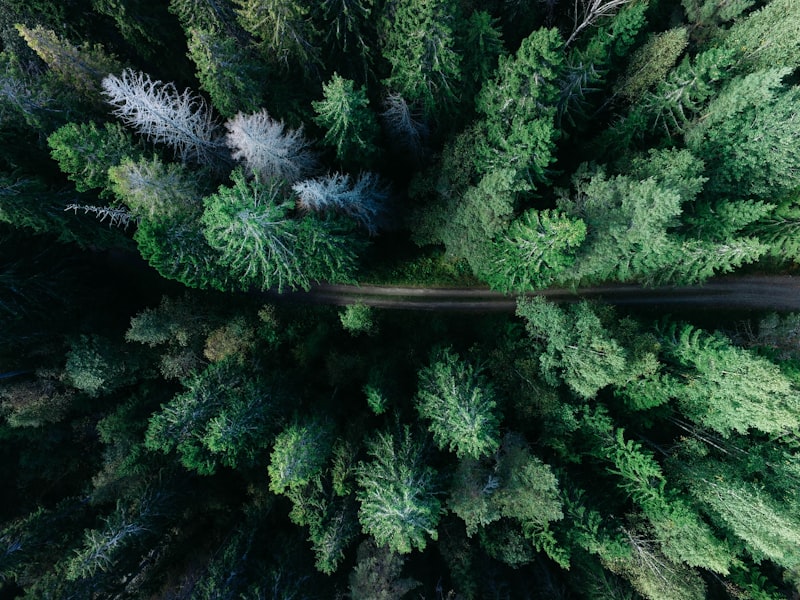
Global warming is no longer a distant hypothesis; it is a measurable reality. According to the European climate reports published in 2026, the average annual temperature of the Iberian Peninsula has risen 1.5 degrees compared with the average of the past century. Summers extend, droughts intensify, and coastal ecosystems are reorganising. The protection of biodiversity and the conservation of water resources call for a collective commitment. Communities, institutions and citizens share the responsibility of caring for the environment we will leave to future generations.
Spain's role in green energy
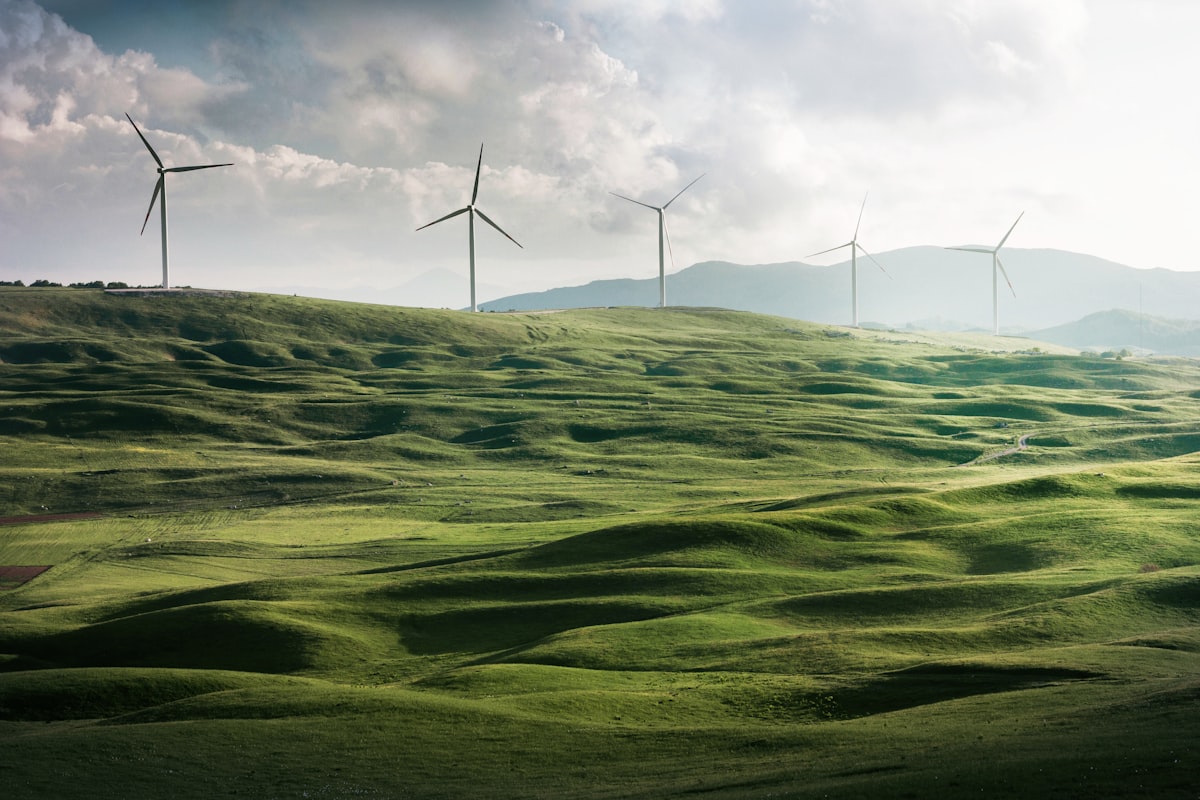
Spain is one of the European countries with the greatest solar and wind potential. Spanish energy companies, together with local cooperatives and regional administrations, are working on an orderly transition towards clean sources. Andalusia, Castile-La Mancha, Extremadura and Aragon concentrate large-scale solar parks, while Galicia and Navarre maintain a solid wind network. The National Integrated Energy and Climate Plan proposes for 2030 a reduction of the carbon footprint by 32% compared with 2005, and the achievement of 81% renewable electricity generation. These goals require technological development, professional training and an informed citizenship.
The future of agriculture
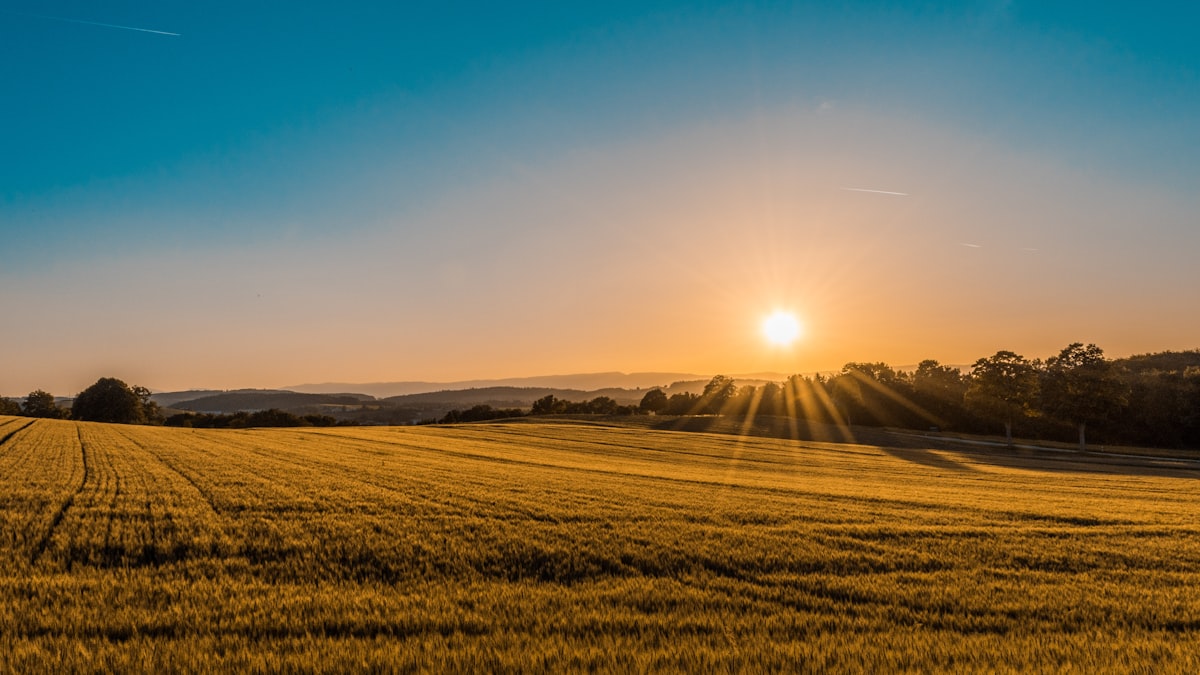
Spanish farmland is also transforming. Agriculture 5.0 combines sensors, open data and traditional practices to optimise water use, protect the soil and maintain the quality of local produce. The olive groves of Jaén, the vineyards of La Rioja and the almond groves of Murcia are introducing precision-irrigation techniques and vegetation covers to reduce erosion. This development respects the landscape, preserves rural employment and strengthens food sovereignty. The future of agriculture lies in joining ancestral knowledge with modern tools, without losing sight of the protection of the territory.
A shared vision
The Green Spain concept does not belong to a single institution: it is a collective project. The ecological transition advances when households, schools, municipalities and companies share trustworthy information and responsible practices. This weekly newsletter gathers regulatory updates, case studies and educational materials to support that common development.